2026-09-05 · Alexander
Bed Bugs in Ohio Rentals: What Preparation Before Treatment Actually Involves
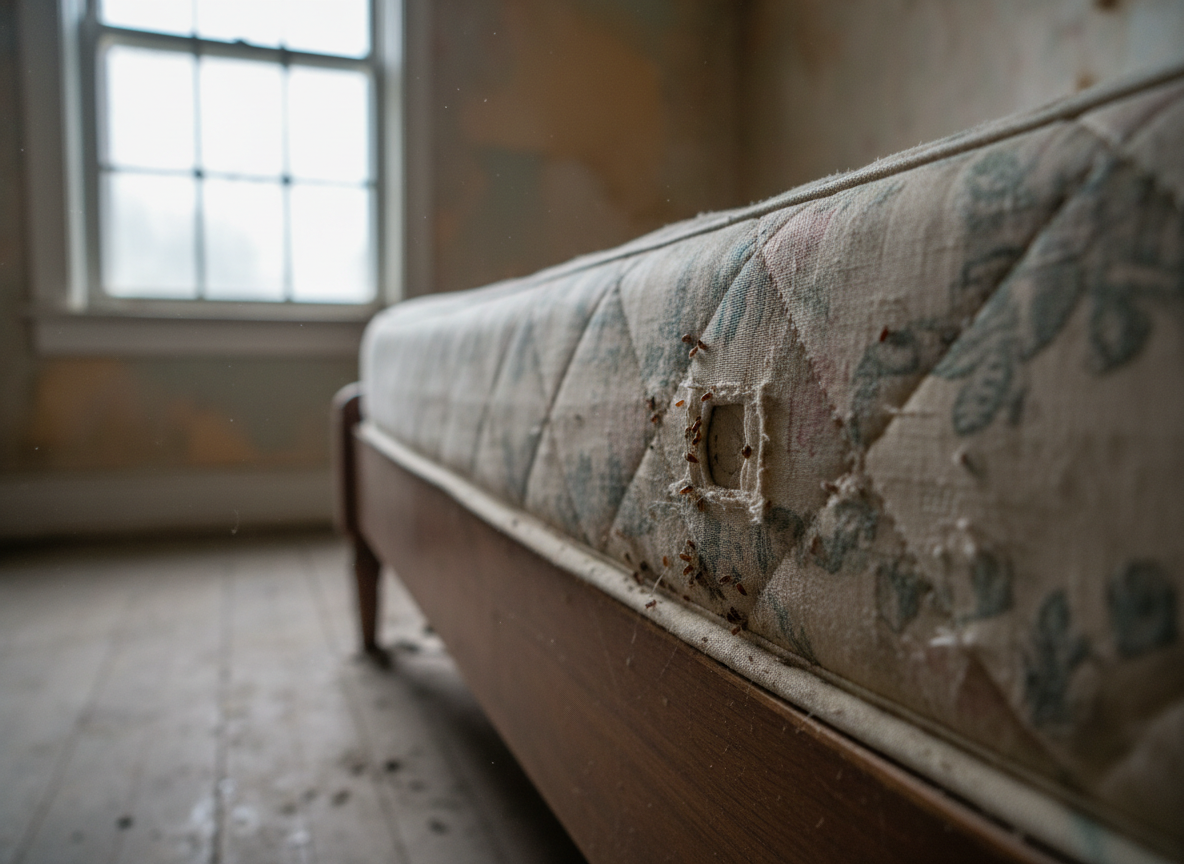
Preparation before bed bug treatment in an Ohio rental means laundering and bagging all fabric on high heat, emptying and clearing the bed area and closets, pulling furniture away from walls, dealing with clutter, and keeping the bed in place, because bed bugs hide in the seams, cracks and clutter that a treatment cannot reach unless it is cleared first.
Why preparation matters more than the product
Bed bugs are flat, brown insects about the size of an apple seed that feed on blood at night and hide during the day within a few feet of where people sleep. They hide in mattress seams, the underside of the box spring, the joints and screw holes of the bed frame, behind the headboard, in nightstand drawers, along baseboards, behind outlet covers and picture frames, and in the seams of couches and chairs. Eggs are white, the size of a pinhead, and glued into those same cracks.
Neither heat treatment, which raises the room to 120 to 135 degrees for several hours, nor a chemical treatment of residual insecticide, dust and an insect growth regulator can reach a bug hidden inside a pile of clothes on the closet floor or a box under the bed. Heat does not penetrate a full laundry basket. Residual does not go inside a stack of magazines. Preparation removes those hiding places so the treatment reaches the bugs, and it is the single biggest reason treatments succeed or need a third and fourth visit.
How to confirm it is bed bugs first
Preparation is a lot of work, so confirm the pest before starting. Look at the mattress seams, the tufts and the underside of the box spring with a flashlight for live bugs, shed skins that look like empty bug shells, and black fecal spotting that looks like dots from a felt tip marker and smears when wet. Bites alone do not confirm bed bugs, because flea bites, mosquito bites and skin conditions look similar.
Carpet beetles, bat bugs from an attic bat colony, and spider beetles are all mistaken for bed bugs in older buildings. A licensed inspector confirms the species before any treatment is scheduled. Interceptor monitors, plastic cups placed under the bed legs, catch bugs moving to and from the bed and are a reliable way to confirm and to track after treatment.
The preparation checklist, and why each step is there
- Launder every fabric item in the affected rooms. Bedding, clothes, curtains, stuffed animals, throw rugs and bags all go through a dryer on high heat for at least 30 minutes, then straight into clean plastic bags sealed shut. Washing alone does not kill eggs. The dryer does. Bagged items stay bagged until treatment is finished.
- Empty the closets, dressers and nightstands. Everything comes out, is laundered or inspected and bagged, and the empty furniture is pulled 2 feet from the wall so the back, the drawer joints and the baseboard behind it can be treated.
- Clear under and around the bed. Nothing stays under the bed. Storage boxes are inspected, and anything that cannot be laundered or heated is bagged.
- Keep the bed. Do not throw out the mattress or box spring. The box spring holds more bugs than the mattress, carrying it through the hallway spreads bugs into the building, and a new mattress in an untreated room is infested within a week. Mattress encasements go on both after treatment and stay on for a year.
- Reduce clutter, do not just move it. Piles of paper, shoes, bags and books are hiding places. Sort them, bag what is kept, and discard what is not. Moving clutter to the garage or a car is the most common way bed bugs get spread and brought back.
- Pull all furniture away from walls and take pictures, mirrors and outlet covers off the walls in the affected rooms so baseboards and voids can be treated.
- Do not use bug bombs or store sprays. Foggers and repellent sprays scatter bed bugs into the walls and into the next apartment and make them harder to reach. Nothing gets applied before the licensed treatment.
- For heat treatment, remove anything that melts or is pressurized: candles, aerosols, lighters, medications, cosmetics, wax, chocolate, plants, pets and fish tanks, and anything made of vinyl that may warp.
- Plan to be out. Occupants and pets are out of the unit during a chemical treatment and for the dry time after it, usually about 4 hours, and out for the full day during a heat treatment.
Who is responsible in an Ohio rental
Ohio has no statewide law that assigns bed bug responsibility to landlords or tenants. It comes down to the lease, the local housing code and where the bugs came from. Many landlords pay for treatment when the building is the source or when multiple units are affected, and some leases make tenants responsible when the infestation is traced to furniture they brought in. Either way, the tenant is responsible for the preparation, because only the occupant can launder their clothes and sort their belongings, and the landlord is responsible for treating adjoining units when bugs have spread through the walls.
In a multi unit building, treating one apartment while the ones on either side are untreated is a temporary fix. Bed bugs move through wall voids and along pipe chases, and property managers should have the adjoining units inspected at the same time. Tenants in Mahoning County who cannot get a landlord to act can file a housing complaint with Mahoning County Public Health.
After treatment
Interceptors stay under the bed legs and are checked weekly. Encasements stay on the mattress and box spring. A follow up inspection at 2 weeks and again at 4 weeks catches any bugs that hatched from eggs missed in the first round, and a chemical program is not finished until 2 consecutive inspections find no live bugs and no new spotting. Bagged items are unbagged a few at a time only after the final inspection.
When it becomes a health issue
Bed bugs are not known to transmit disease, but a heavy, long standing infestation is a health issue in its own right. Repeated bites cause skin infections from scratching, allergic reactions in some people, and sleep loss and anxiety that affect work and school. Elderly tenants, people with mobility limits and people with mental health conditions often cannot complete the preparation alone, and an infestation in those units grows until someone helps with the checklist. Property managers who see signs in a unit like that should arrange preparation assistance rather than reschedule treatment repeatedly.
FAQ
Can bed bug treatment work without preparation?
Rarely. Heat and chemical treatments cannot reach bugs hidden in piles of clothing, boxes under the bed and cluttered closets, so treatments in unprepared rooms usually need extra visits and still fail. Preparation is what makes the treatment reach the bugs.
Should I throw away my mattress if I have bed bugs?
No. The mattress and box spring are treated on the seams and sealed in encasements. Throwing them out spreads bugs through the building and leaves the bugs in the frame, baseboards and furniture behind.
Who pays for bed bug treatment in an Ohio apartment?
It depends on the lease and the source. Ohio has no statewide rule, so landlords often pay when the building is the source and tenants sometimes pay when they brought the bugs in. Mahoning County Public Health takes tenant complaints about untreated infestations.
If you have confirmed bugs and the preparation is underway, a bed bug inspection and treatment can be scheduled around the date the rooms are ready.